History
The Périgord is a historic French region that roughly corresponds to the present-day French department of Dordogne in the Nouvelle-Aquitaine region. It is known for its many bastides and medieval towns, castles, religious buildings, caves, and prehistoric sites and shelters.
The Dordogne is especially a region where a wide variety of crops are cultivated at the same time and where small-scale farms provide a diversity of high-quality vegetables and poultry.
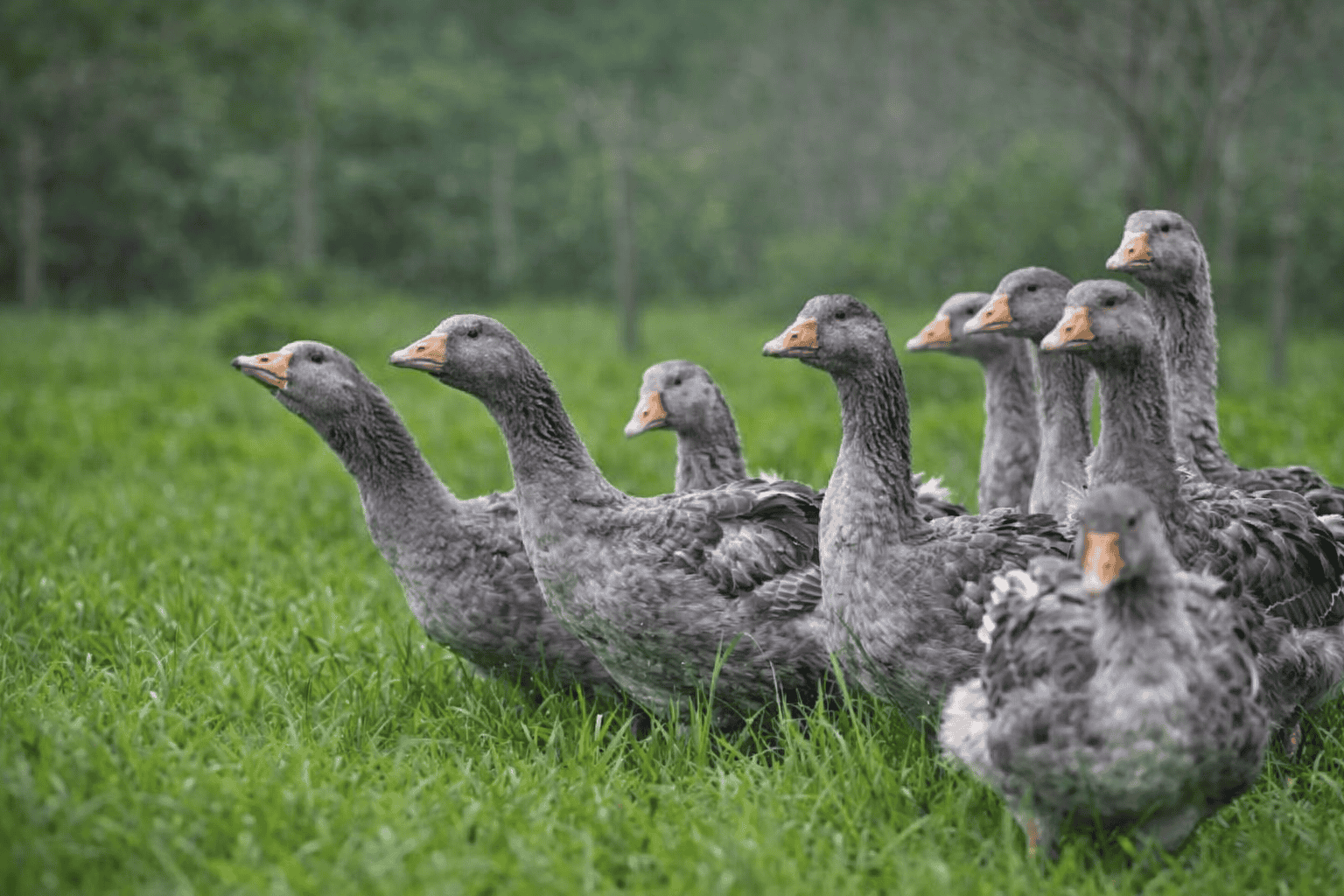
The Périgord is therefore famous for its gastronomy and is known for its truffles, walnuts, duck, foie gras, Limousin beef, free-range pork, trout, sturgeon meat, and caviar.
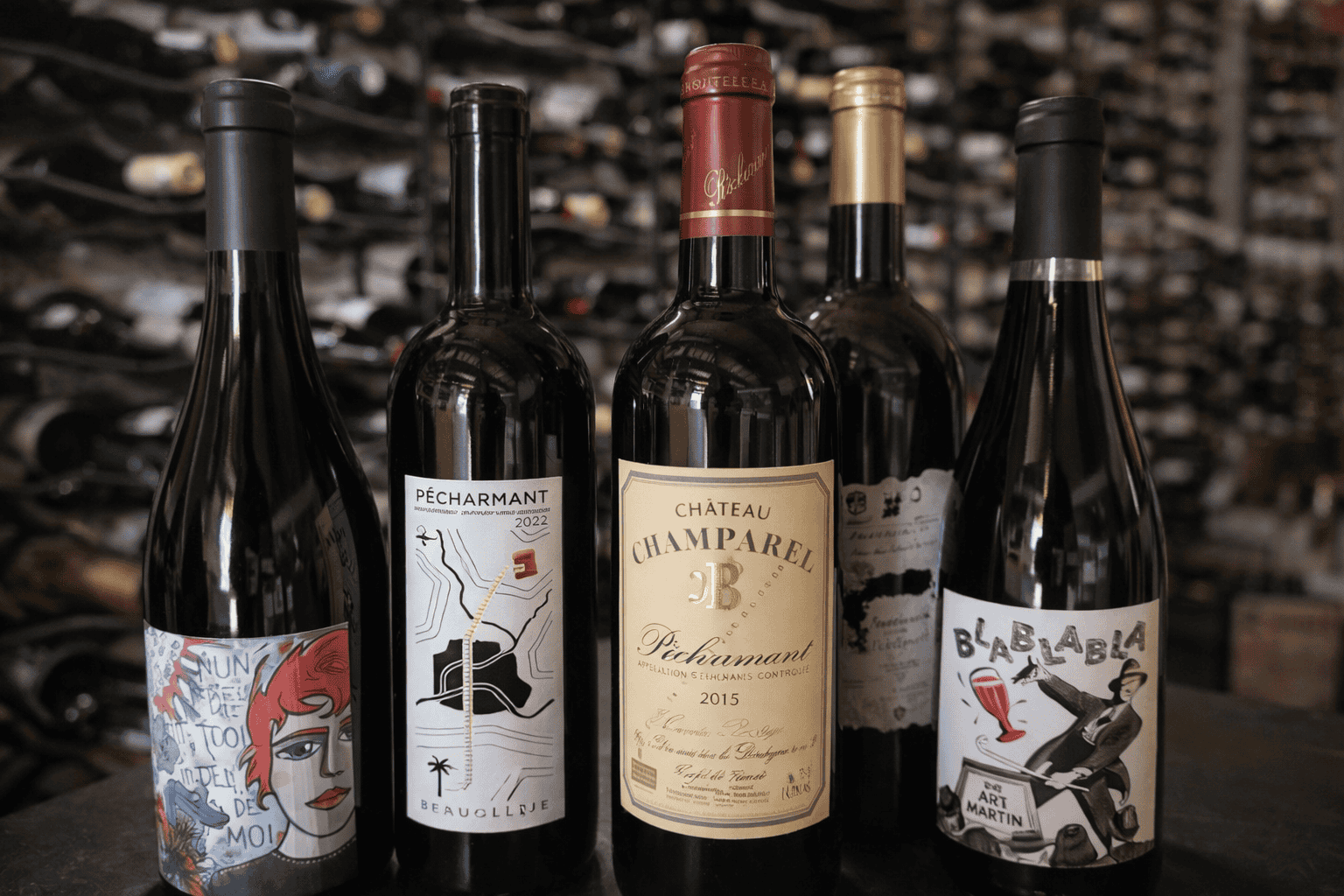
In the wine region near Bergerac you will find the classic Pécharmant wine, where a new generation of winemakers has also emerged, producing beautiful wines from various old grape varieties, ranging from organic wines to “vin nature” (without sulfites).
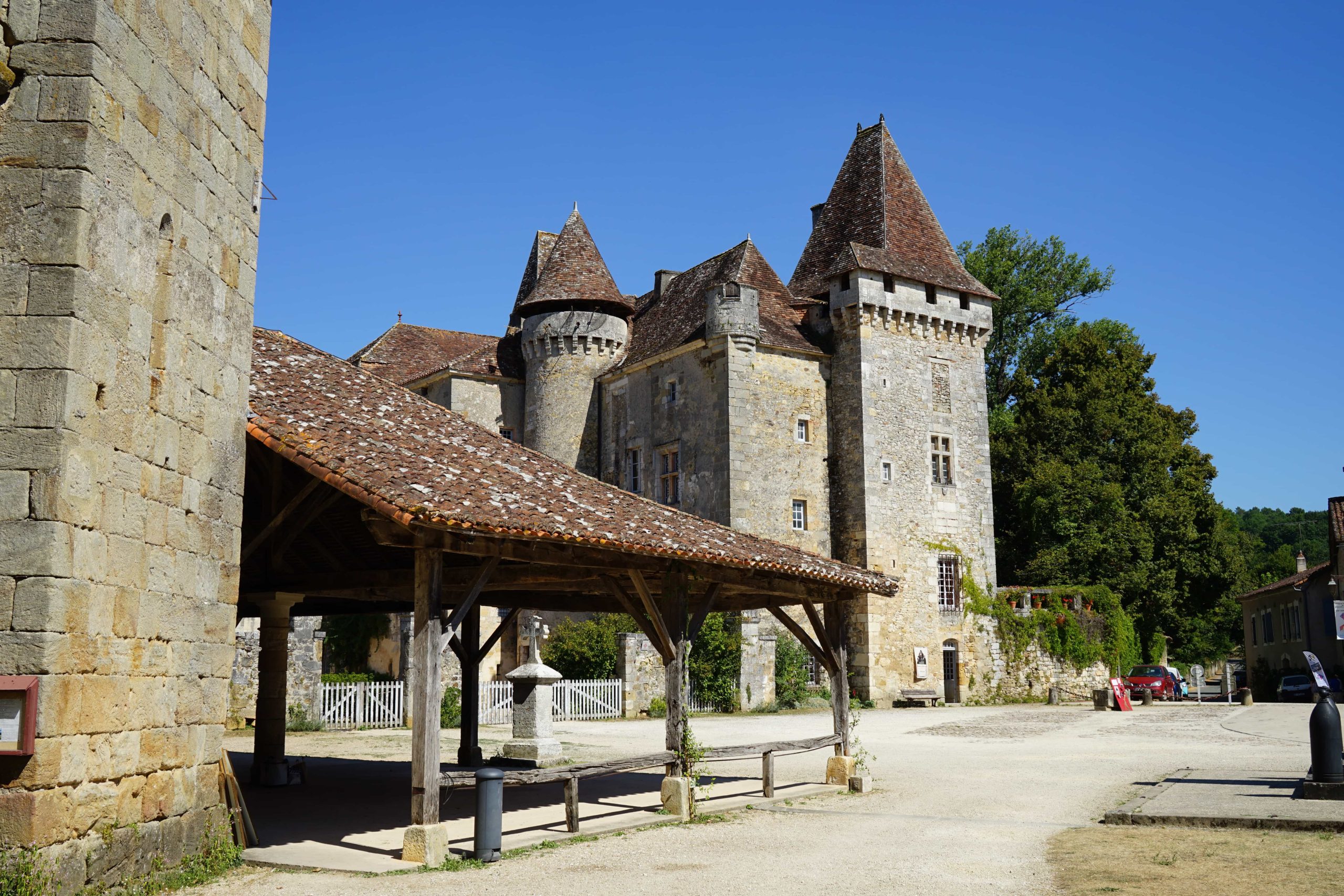
Ten municipalities or former municipalities that belong to the association Les Plus Beaux Villages de France (the most beautiful villages of France) are located in the Dordogne, of which Saint-Jean-de-Côle is one.
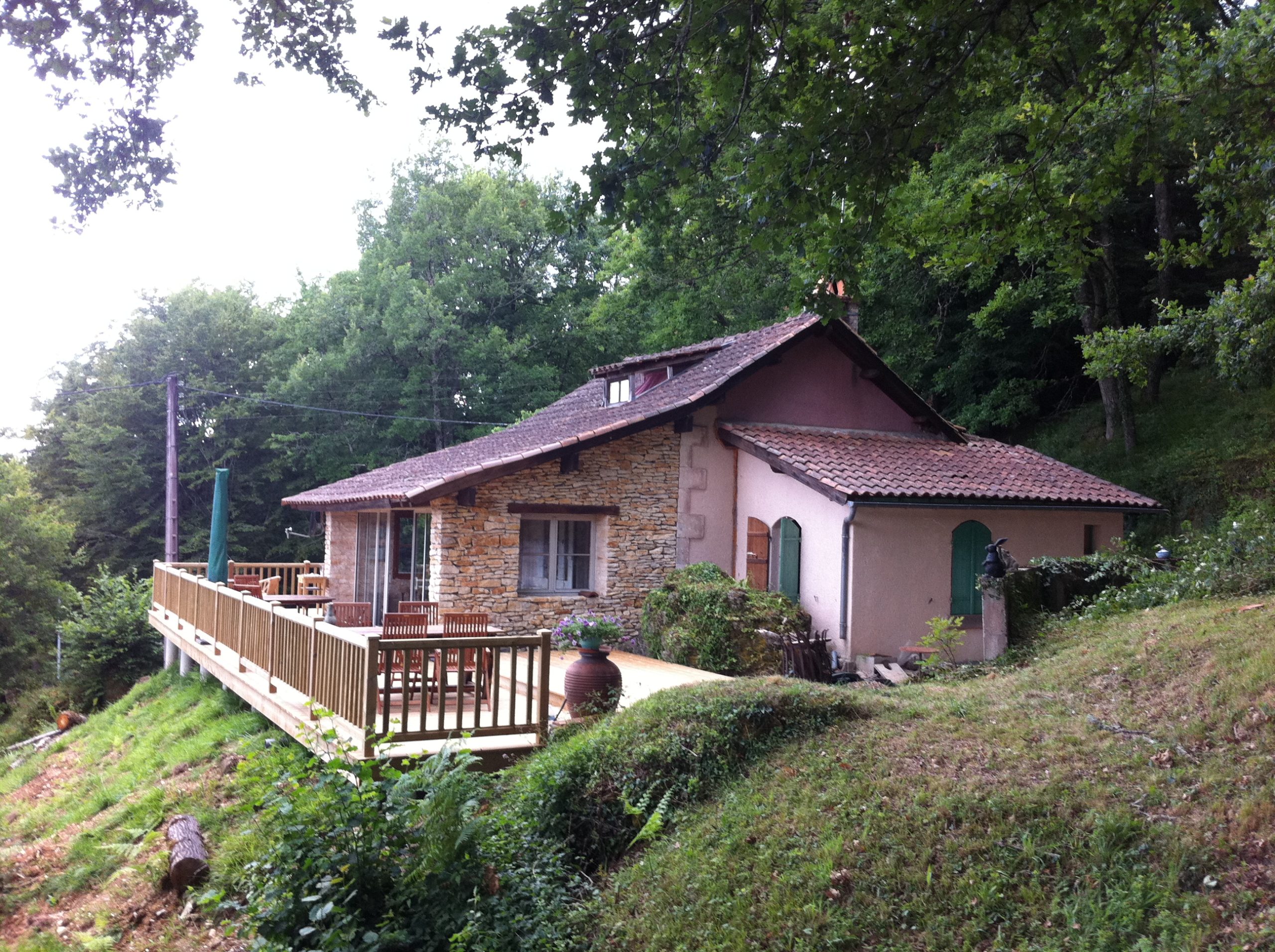
Just outside the village lies La Garenne, an area hidden in the forest with the old hunting lodge from which Domaine Lapin Qui Rit takes its name.
La Garenne means “rabbit hill” or “area of the rabbits.”
The access road was given a new name, Chemin de la Barrière (a dead-end road), and the current owners of the hunting lodge named their estate “Laughing Rabbit,” a playful nod to the past and deliberately meant as a cheerful name, since several places called La Garenne exist in France.
The relais de chasse, probably from the late 20th century, was used for hunting and as a shelter and resting place. Over the years various facilities were added, it became inhabited and used as a holiday destination, but the original hunting lodge is still clearly visible.